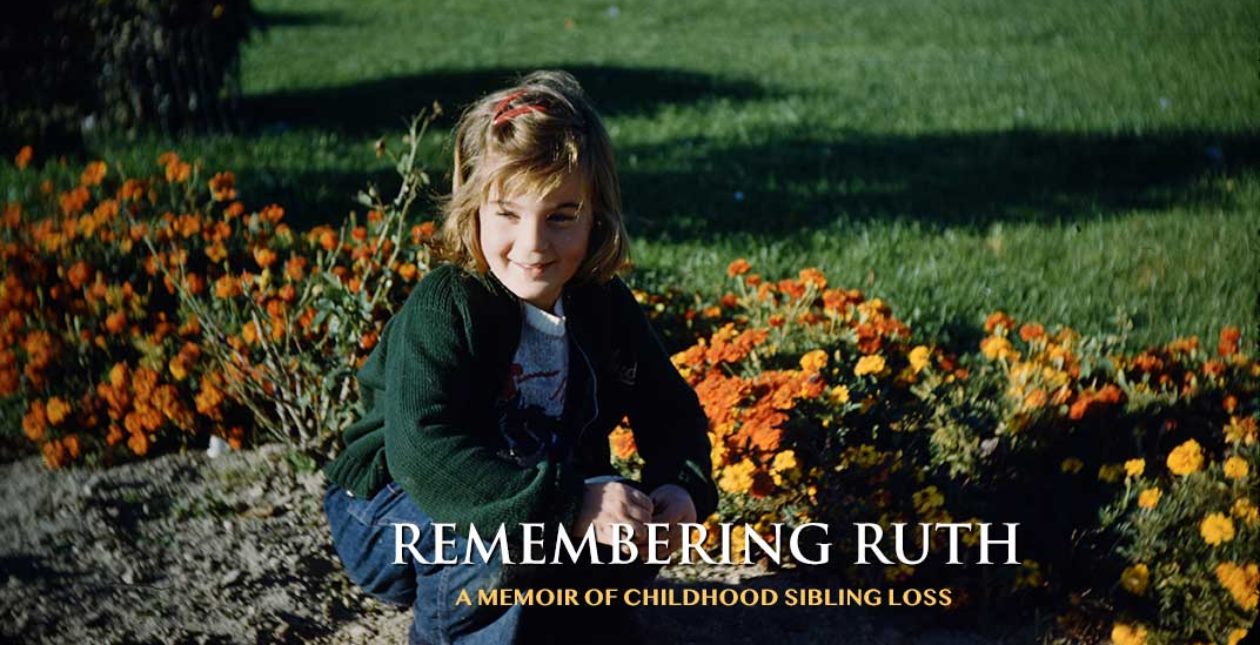
 More than 20 years after suffering in silence over the loss of my sister, I wanted to meet and talk to others who had lost a brother or sister growing up. Through a stroke of luck, I discovered that a chapter of The Compassionate Friends would be holding the first weekend retreat for bereaved siblings in Kansas City, Missouri.
I knew The Compassionate Friends provided support to parents who had lost children; I didn’t know that it reached out to bereaved siblings as well. Even though I would know no one else, I was determined to attend.
The retreat was a working seminar called When Brothers and Sisters Die: Gathering Ways to Help. I signed up for the weekend and made plane reservations. Little did I know at the time that I was about to embark on an experience that would significantly change my life.
When I arrived, I got very nervous. I wondered whether there would be other attendees in their forties or if I’d be considerably older than the others. When I registered, I asked that question. The woman who signed me in assured me that all ages would be attending, “even older than yourself.” I felt a surge of relief. Continue reading Compassionate About Sibling Loss
 More than 25 years after Ruth died, I decided to see what articles and studies had been published on the effects of childhood illness and death on siblings. I headed to the Weiner Library at Fairleigh Dickinson University, located in Teaneck where I lived. I knew the task would be emotional.
 bond, and his death affected every part of her life. Yet she buried her grief and pain deep inside for more than 30 years. It was the shock of Donald Trump’s victory — she’d always been a staunch feminist and was certain Hillary Clinton would win — that caused her to feel intense despair about every aspect of her life. She knew she needed to deal with those things that were causing her pain, and her brother’s death was at the top of the list.
  On Sunday, March 19, 1989, The Record — Bergen County, New Jersey’s daily newspaper — published the feature “When a Young Sibling Dies” on the front page of its Home section. The story included a large color photo of me holding childhood snapshots, details of the anger and pain I’d suffered after her death, and resources for bereaved siblings locally and nationally. It was the first time I’d “gone public” about my loss and its ramifications.
 When I was growing up, I worried about Ruth much of the time. Because she had practically no kidney function, she suffered frequent health crises and had to be rushed to the hospital. I never shared my concerns with family and friends.
 During the years I was actively dealing with the loss of my sister, I began reading any book about sibling loss I could get my hands on. One of the novels I devoured was The Catcher in the Rye by J. D. Salinger. I had read it in school, before Ruth died, and didn’t get it. When I picked it up again years later — after I’d lost my sister, I could relate to what Holden was feeling and why.
 It took twenty years after Ruth died for me to begin to deal with the loss. Did you lose your brother or sister when you were growing up and haven’t dealt with your grief?
 Were you as angry as I was when you saw the 2018 documentary, Three Identical Strangers?